

Commissioned work for Youtuber community V-tuber.
Vega Hoshi
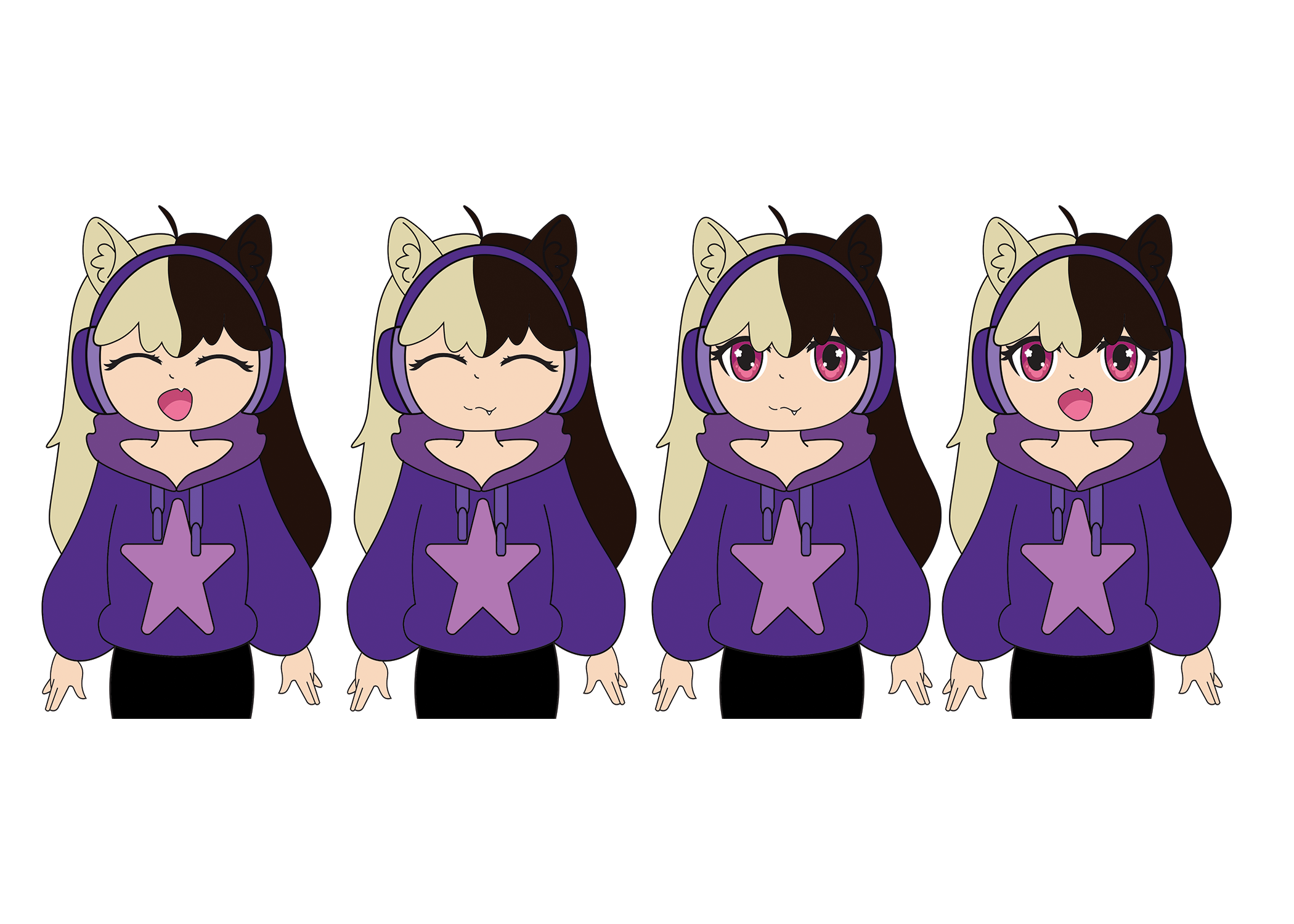
PNG tubers have grown exponentially as a form of video content, particularly among streamers and content creators. The concept is simple: instead of using a full body webcam or a complex 3D avatar, creators use a static illustration of a character that reacts in real time.
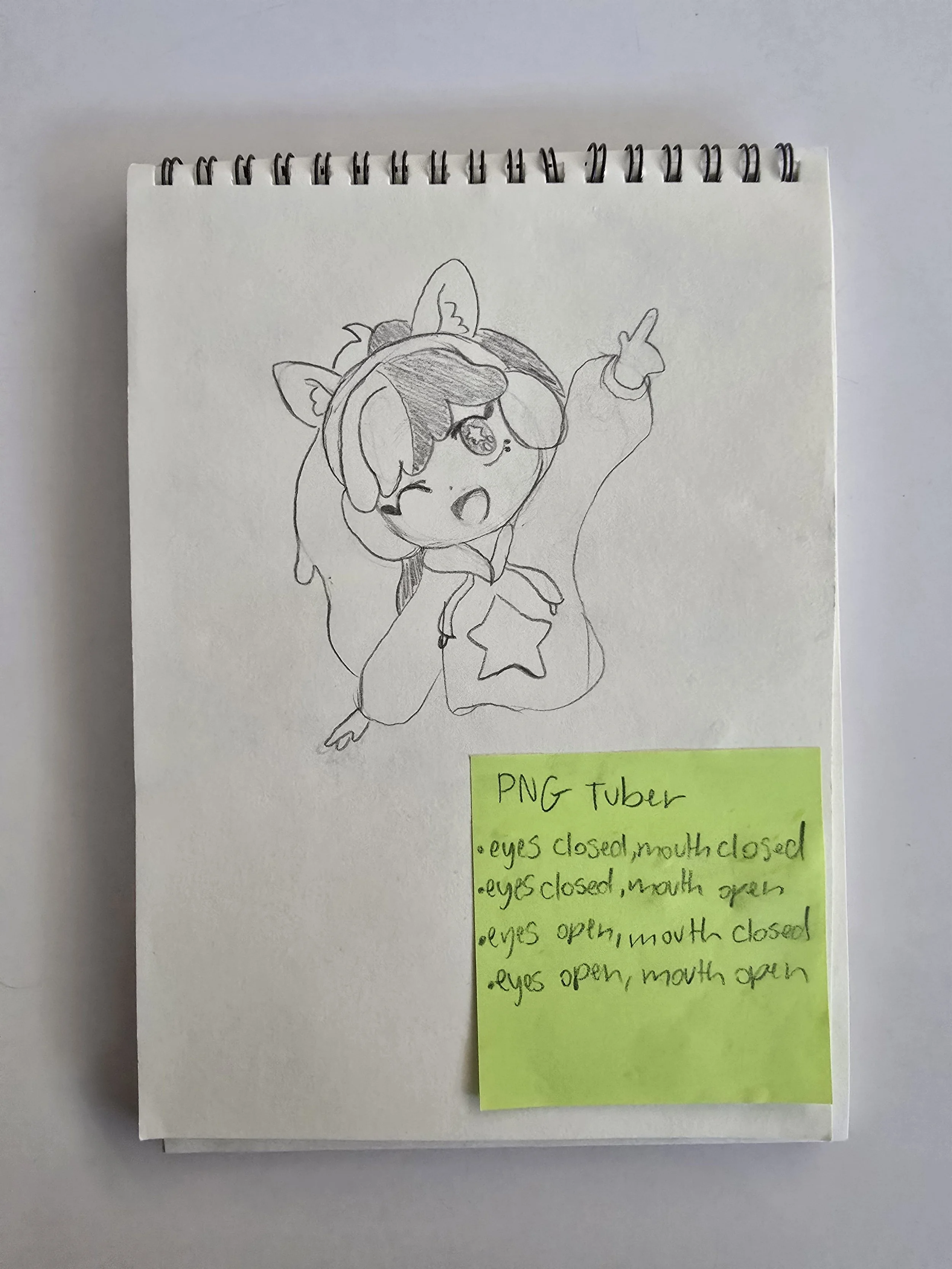
At its most basic, this could be as simple as two mouth states — open and closed — that toggle when you speak. But the system can get far more elaborate. You can give your character a full range of expressions and emotions, each one being its own set of layers that activate under different conditions. This lets creators build out a unique, expressive character without needing any animation experience beyond understanding how the layers work together.
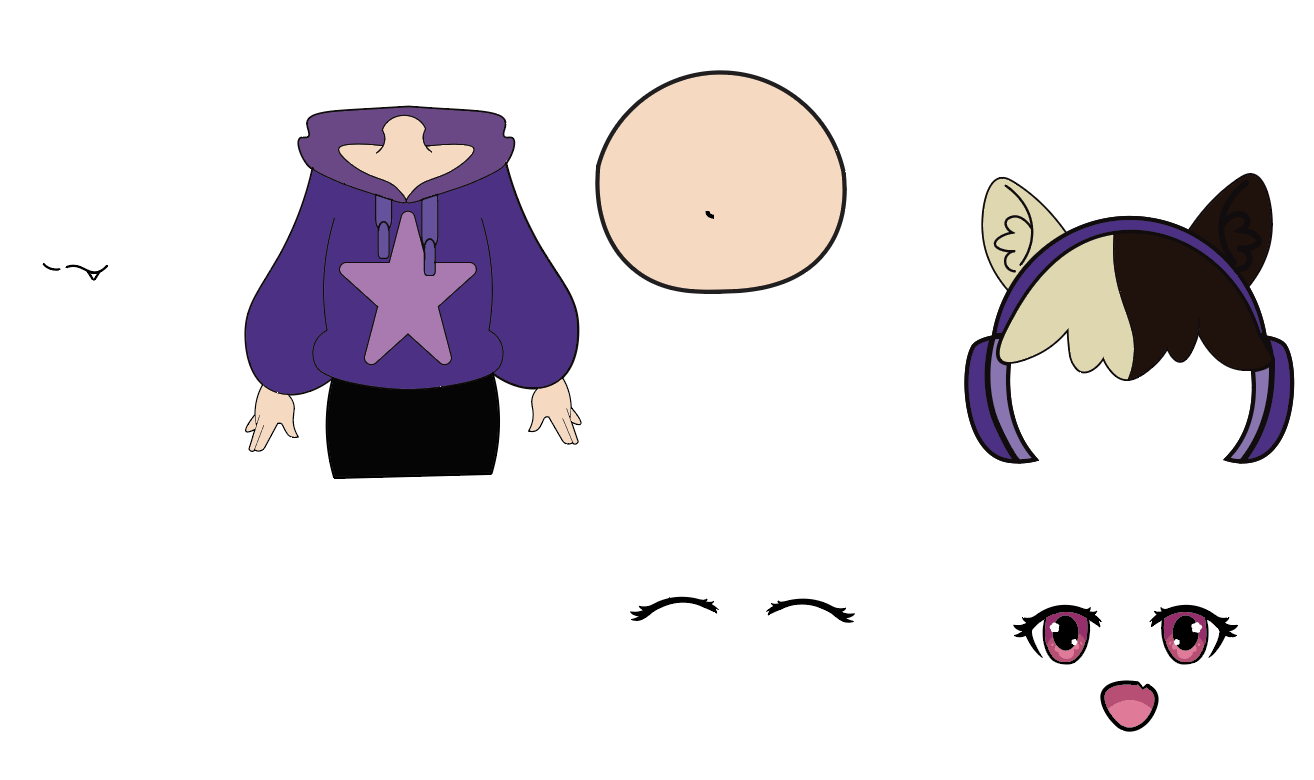
The software used to run PNG tubers is largely the same across the board, but how each program structures and handles the avatar varies. Some tools are more beginner-friendly while others offer deeper customization.
The way a PNG tuber actually moves is similar to an animation rig. Rather than being one flat image, the avatar is built from multiple layered images stacked on top of each other, with each layer serving a specific purpose. When triggered by your voice or input, certain layers swap out or shift to create the illusion of movement.